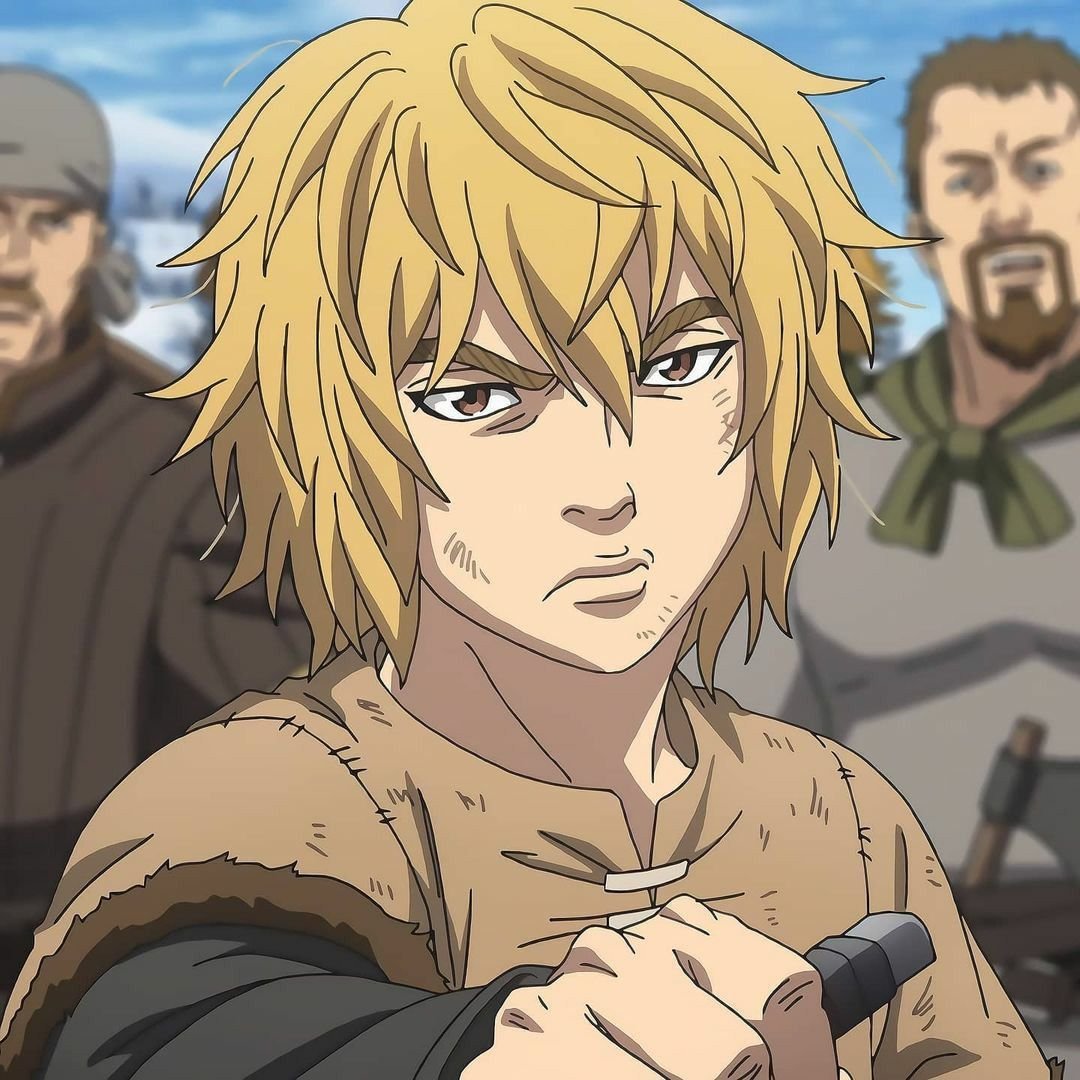
One of the most pressing questions for fans completing Vinland Saga is, "Did Thorfinn die at the end?" It's a natural curiosity after following his incredible journey, but the answer might surprise you: the manga doesn't actually depict Thorfinn's death. Instead, mangaka Makoto Yukimura makes a powerful narrative choice, concluding the epic tale with the culmination of Thorfinn's life's work rather than his final breath.
This approach leaves readers pondering a profound legacy over a specific end date. Rather than witnessing his demise, we're invited to celebrate his ultimate triumph: the establishment of a peaceful settlement in Vinland. To truly grasp why Thorfinn's death is left ambiguous, we need to explore the manga's concluding chapters, his monumental character evolution, and the historical influences that shaped his story. If you've been wondering , you're in the right place to understand the nuances of this impactful creative decision.
The Vinland Saga Manga's True Ending: A New Beginning, Not an End
The Vinland Saga manga concludes its 20-year serialization with the "Thousand Year Voyage" arc, wrapping up Thorfinn's epic journey in Chapter 220, titled "Somewhere Not Here." This final chapter sees a pivotal moment where Thorfinn and the Norse settlers make the difficult decision to abandon their burgeoning colony in Vinland. Their departure is not one of failure, but a necessary response to escalating tensions, outbreaks of sickness, and growing provocations that threatened their dream of a land without conflict.
Before setting sail, Thorfinn shares a poignant farewell with his Lnu friends, including Plmk and Miskwekepu’j, symbolizing a bridge built between cultures, even amidst separation. He entrusts Plmk with a bag of wheat seeds and a hoe, carefully explaining how to cultivate them – a powerful gesture of hope and the transfer of knowledge for a peaceful future. As they leave, Thorfinn attempts to discard his sword, asking Ka’Qaquj to take it, but is ignored. The story reveals a touch of humor and romance with Niska secretly boarding the ship to marry Bug Eyes, embarking on their own future.
The Norse group eventually reunites with their women and children on an uninhabited island, where Thorfinn embraces his newborn son for the very first time. This scene, brimming with new life and hope, is the emotional peak for Thorfinn. The manga’s true final image, however, belongs to Plmk back in Vinland, successfully cultivating wheat from the seeds Thorfinn provided. This enduring image beautifully encapsulates the core theme of the entire saga: the legacy of peace and agriculture outliving the conflict. For a comprehensive dive into the final chapters and what they truly signify, be sure to read .
Why Thorfinn's Death Isn't Shown
By choosing to end the narrative with the birth of a new generation and the successful growth of a peaceful crop, Yukimura shifts the focus dramatically. Thorfinn's personal mortality becomes secondary to the enduring impact of his ideals and the future he helped sow. His life's work culminates not in a final battle or a quiet passing, but in the realization of a future free from the violence that defined his early years. It's a testament to the idea that true heroism lies in building, not destroying, and that a legacy of peace can outlast any individual.
From Vengeful Warrior to True Pacifist: Thorfinn's Unforgettable Arc
Thorfinn's journey is one of the most compelling character transformations in modern manga, making the question of his ultimate demise less significant than the life he lived. He began as a child consumed by vengeance, singularly focused on killing Askeladd, the man responsible for his father's death. This period of his life was marked by raw anger, a thirst for combat, and a disregard for his own well-being, pushing him through countless battles as a mercenary.
After Askeladd's death at Canute's hands, Thorfinn found himself stripped of his purpose, enslaved on Ketil's farm. This arduous period of forced labor became his crucible. Haunted by the ghosts of those he had killed, he grappled with profound guilt and the emptiness of his former path. It was here, alongside his friend Einar, that he began his profound transformation, shedding his warrior past to become a "true warrior" – one who only resorts to violence as an absolute last resort, committed to building a world without war and slavery.
His quest for Vinland, a land of peace, became his new raison d'être. This led him on an incredible expedition, seeking funds in Greece, returning to Iceland to gather his people, and finally, establishing a new settlement in the promised land. This incredible evolution highlights why is so central to the series' message. For a deeper understanding of , tracing every step of his development, you'll find comprehensive insights in our dedicated pillar.
The Historical Thorfinn Karlsefni: Fact, Fiction, and an Open Ending
Makoto Yukimura's Vinland Saga masterfully weaves historical figures and events into its narrative tapestry, and Thorfinn is no exception. The character is largely inspired by the real-life historical figure, Thorfinn Karlsefni, a Norse explorer who, according to sagas like The Saga of the Greenlanders and Erik the Red's Saga, did indeed attempt to establish a settlement in Vinland (believed to be modern-day Newfoundland and the Gulf of Saint Lawrence).
Historical accounts suggest that the real Thorfinn Karlsefni was relatively young, dying at an approximate age of 27. This detail could imply that the manga's Thorfinn might also not reach old age. However, historical records offer no specific details regarding the cause or circumstances of Karlsefni's death. It's known that the Norse settlers faced conflicts with the indigenous inhabitants of Vinland, which ultimately forced them to abandon their settlement and return to Iceland. The historical record largely concludes Thorfinn Karlsefni's documented life after his return to Iceland, leaving his ultimate fate and manner of death unrecorded.
This historical ambiguity provided mangaka Yukimura with significant creative freedom. By not explicitly depicting the manga character's death, Yukimura not only stays true to the historical vagueness surrounding his real-life counterpart but also leverages it to serve the manga's overarching themes. Understanding the historical context of helps illuminate why the manga chooses to leave Thorfinn's end open, focusing instead on the lasting impact of his peaceful endeavors rather than his personal mortality. While the historical figure may have died young, the manga's choice emphasizes legacy, inviting readers to further understand why is a question answered by the power of an untold future.
Why This Unresolved Ending Resonates
The decision to conclude Thorfinn's story without explicitly showing his death is a profound narrative choice that reinforces the core messages of Vinland Saga. It underscores the idea that true heroism isn't about how one dies, but how one lives, and the impact they leave behind. Thorfinn's "death" as a vengeful warrior happened long before the manga's end; his final act is one of creation, family, and the planting of seeds for a better future, both literally and metaphorically.
This unresolved ending allows the audience to imagine a continued life for Thorfinn, one filled with the peace he tirelessly sought. It suggests that his journey is cyclical, with new life emerging from the choices made, and that the spirit of Vinland – a land free from war – endures beyond any single lifetime.
Thorfinn's saga is ultimately about transformation, the pursuit of an ideal, and the enduring power of peace. By leaving his final moments to the imagination, Vinland Saga ensures that Thorfinn's legacy isn't defined by an ending, but by the continuous potential of a life well-lived and the dream he helped bring to fruition. His story serves as a timeless reminder that building a peaceful world is a journey, not a destination, and its true strength lies in the seeds of hope planted for generations to come.